Can you identify our patient by its x-ray? Hint: not ET
Stay tuned for the answer
Advice About Southeastern Pennsylvania Wildlife
Can you identify our patient by its x-ray? Hint: not ET
Stay tuned for the answer

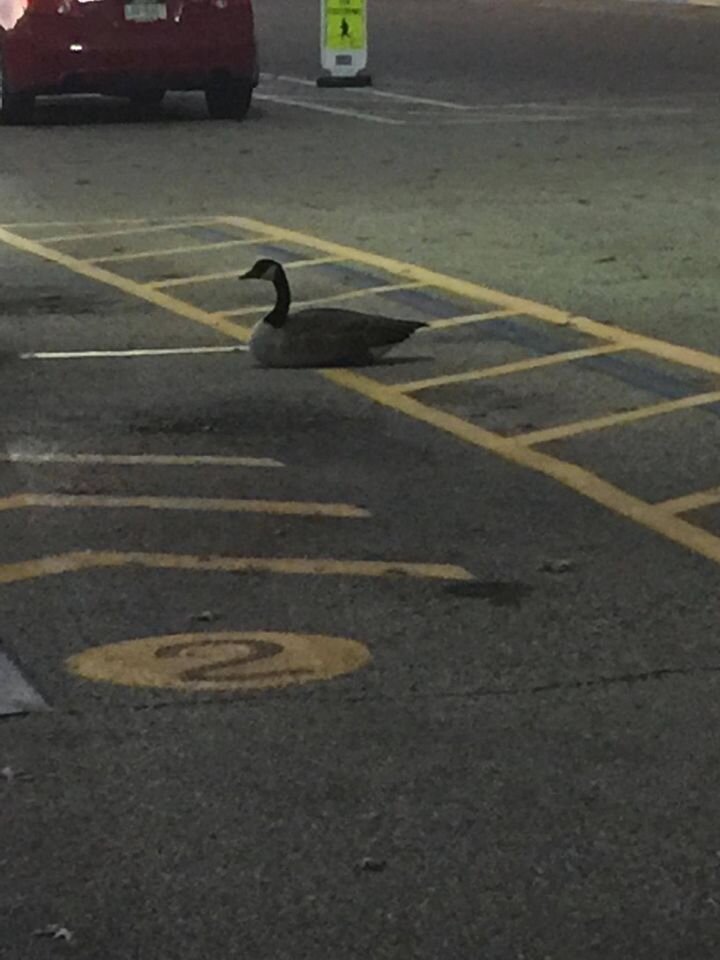
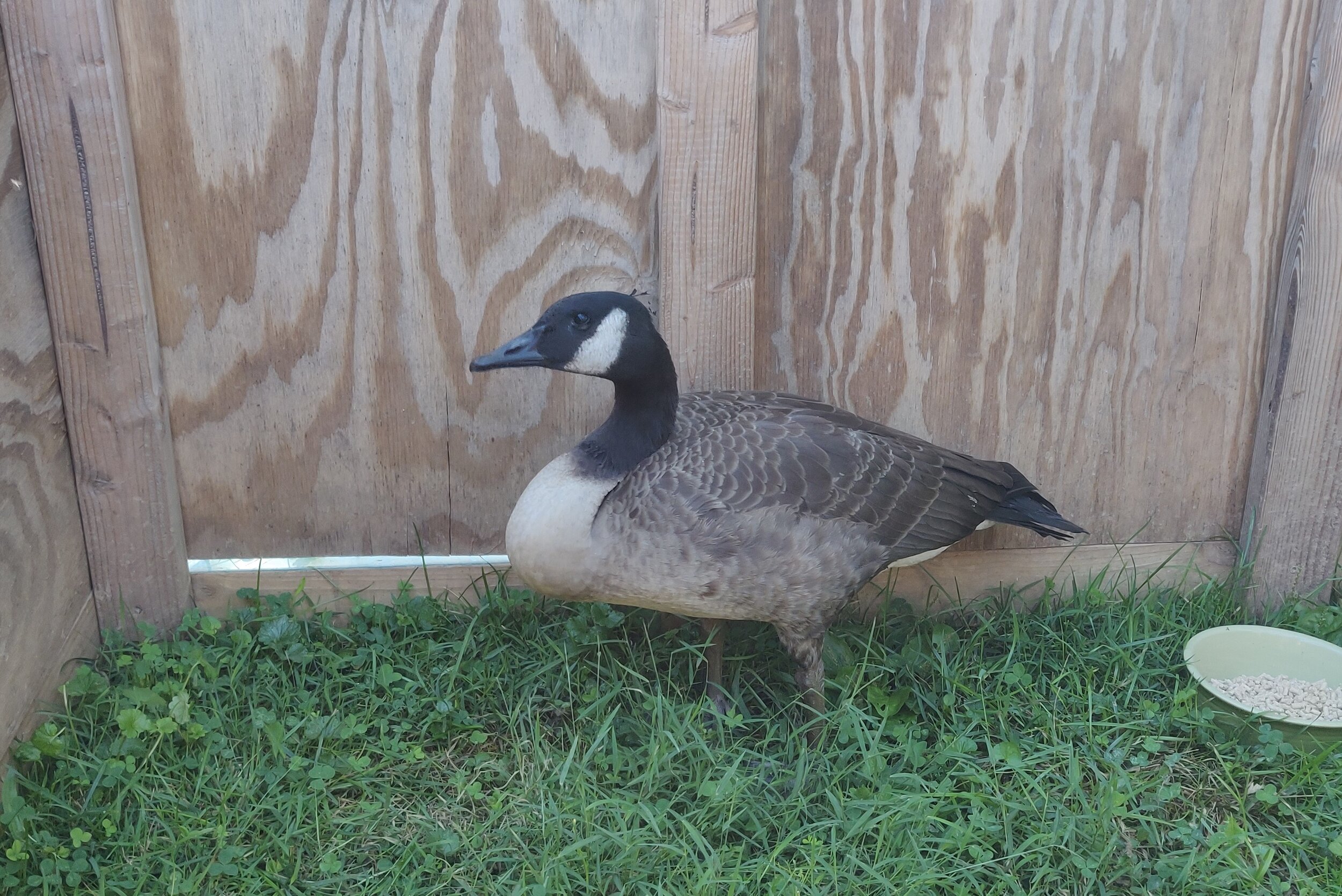
This goose was found in the road in the middle of the night with a gash on his leg, unable to walk. A few stitches and bandages later, he's able to stand and walk, prognosis good with a course of antibiotics and a little something to dull the pain.


Dig this, Mrs. Red-Tail here is one of four species of hawk we have now, she was hit by a car two weeks ago and recently got moved from ICU to an outdoor cage, and hopefully will be released soon. She's half of a mated pair so her husband will want to know where she's been. Got a lotta 'splainin to do.


This is the hurt Cooper's hawk that was brought to us from Roxborough yesterday, just so that everyone there who was concerned knows that the animal wound up in good hands and is in our care now. It's unable to fly, but it's alert and stable now and we will give it full diagnostics and get to the root of the problem.
Yet another spotted lanternfly paper victim--this time a red-tailed hawk, probably stuck because it was trying to get at another animal that was also already stuck, so the damage is compounded. This bird had the paper on it for a long time and was unable to fly and was slowly starving to death, so our first priority before removing the paper is to stabilize the animal and get its strength back.

Our Executive Director, Rick Schubert, was interviewed about the introduction of the lanternfly into our environment and community.
This screech owl was stuck on lanternfly paper and was in bad shape from all the toxic glue. He is doing better now after being cleaned off, but most are not so lucky. We don't advocate the glue paper due to the massive impact on wildlife. If you want to control the lanternflies better, go for the egg masses instead!


Remember to take soccer nets down when not in use! This unfortunate and disheveled great horned owl, what we call a GHO, got tangled up in a soccer net (this happens a few times a year here). The family who found him called us and we talked them thru how to bring the owl here safely, they were very brave and helpful. I hope they have a great adventure to talk about around the dinner table for years to come. Quick action at our facility with volunteer Karen Melton got the owl freed; the strings were looped tight around his neck and he would have died. He is recovering well now.


Wildlife don't dig it when people leave their fishing line and lead sinkers in the water. Unfortunately this handsome Canada goose had the circulation cut off with the string cutting deeply into his leg. Fortunately the leg is savable and he is recovering quickly.


Dig it, three oddball late-summer orphan baby birds, clockwise from left: gray catbird, American goldfinch, song sparrow. Each one was a loner that needed a buddy so we stuck them together. Baby songbirds require a volunteer staff to feed 12 hours a day, 7 days a week, a huge time and labor commitment, so you have to either do it right, or not at all, impossible to do while closed down.


Another snapper hit by a car. We won't show you the damage beneath the bandage, but we think it will heal enough this year so it can be released before it needs to go into hibernation. This one may be old enough to remember Disco and the Hardy Boys/Nancy Drew Mysteries.
Throughout this very challenging year we've managed to stay open every single day, never closing for overcapacity, taking in thousands of hurt and displaced animals, thousands of phone calls, serving 4 counties including all of Philadelphia, with a large volunteer crew and a very shrewd hardworking staff. No complaints or negativity here, we're alive and full of energy and happy to serve for many years to come.


Our Education and Executive Directors explain the greater impact of spotted lanternfly remediation efforts.
This poor goose had swallowed clumps of fishing netting which obstructed the throat for so long that it was emaciated and weak from starvation. We managed to safely extract the netting without harming the goose, now the test will be if we can tease it back to health with gavage-tube feedings of calorie-rich emergency fluids, until it is strong enough to stand and eat on its own.

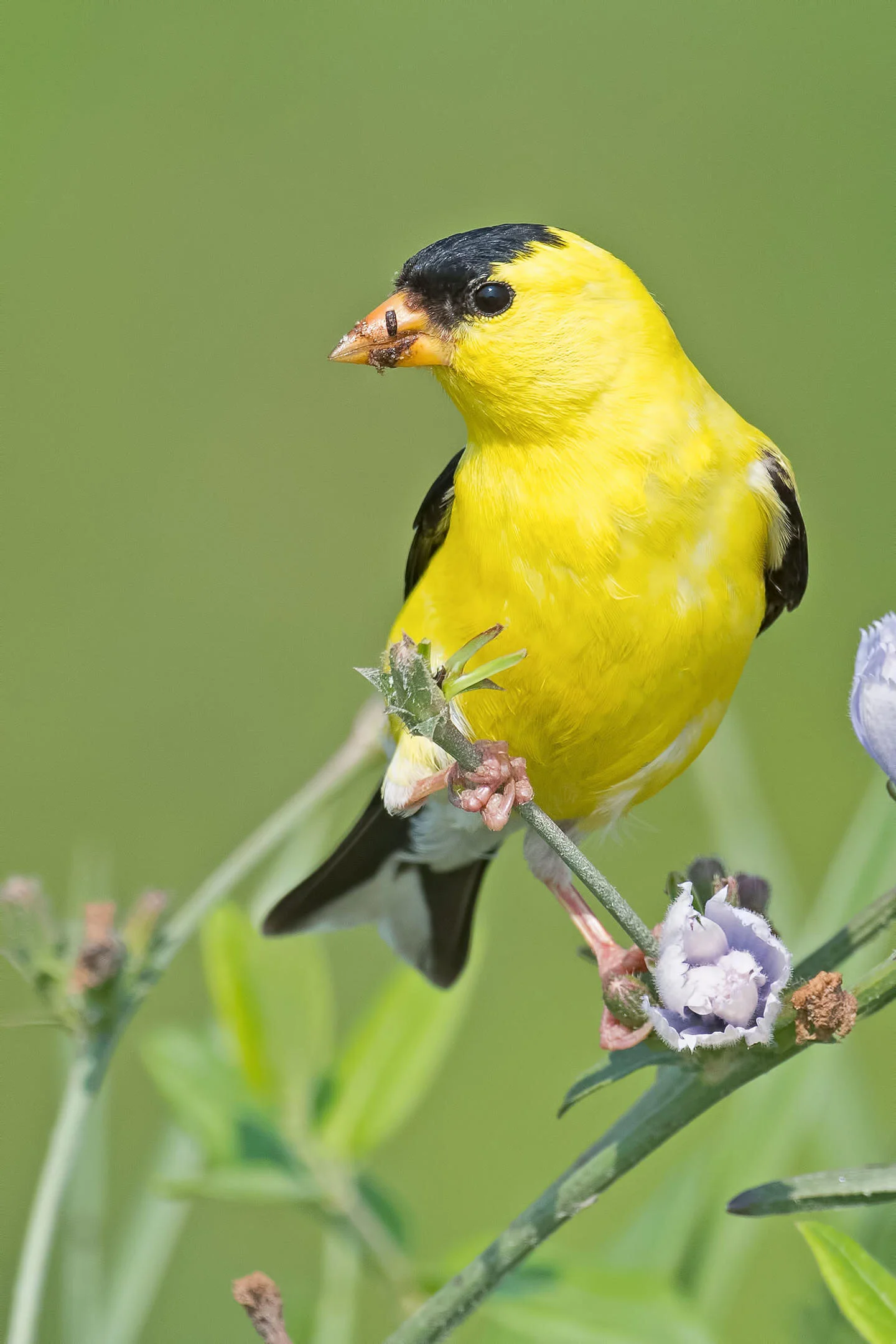
We started to admit baby goldfinches. They hatch on the later side and thus are a harbinger of summer's end. This baby's arrival means we should all make the most of the sun while it lasts. So, get out there and soak in some rays, explore and look out for these highlighter-yellow finches flying through the air.
Credit Brian Kushner for adult pic.
So apparently chukar partridges get along well with coturnix quail. Who knew? These quail were found running around Rittenhouse Square. They are not native to North America and must have escaped from somewhere. If you find more, please call us. Meanwhile they enjoy the crossword puzzles and reading the comics, particularly Peanuts. They miss The Far Side and Calvin and Hobbes, as do we all.


Volunteers Strummer Nefferdorf and Michael Eibel releasing a box turtle that had been hit by a car and healed at our center. Box turtles always must be taken back to their exact point of origin once they have recovered or they will be unable to hibernate and will die over the following winter, so we have a great team of volunteers who drive them all over the Delaware Valley to ensure they return from whence they came.


A menacing stare-down as her space is penetrated during the lunchtime feeding.
This crow was admitted last week. He’ll be hand fed until he learns to eat on his own. Soon enough, we will reintroduce him to his clan.