Before you call — does this animal actually need help?
Find your animal below before you do anything else.
Not finding your animal? Use the full decision tree →
9am-4pm / by appointment, only / (267) 416-9453
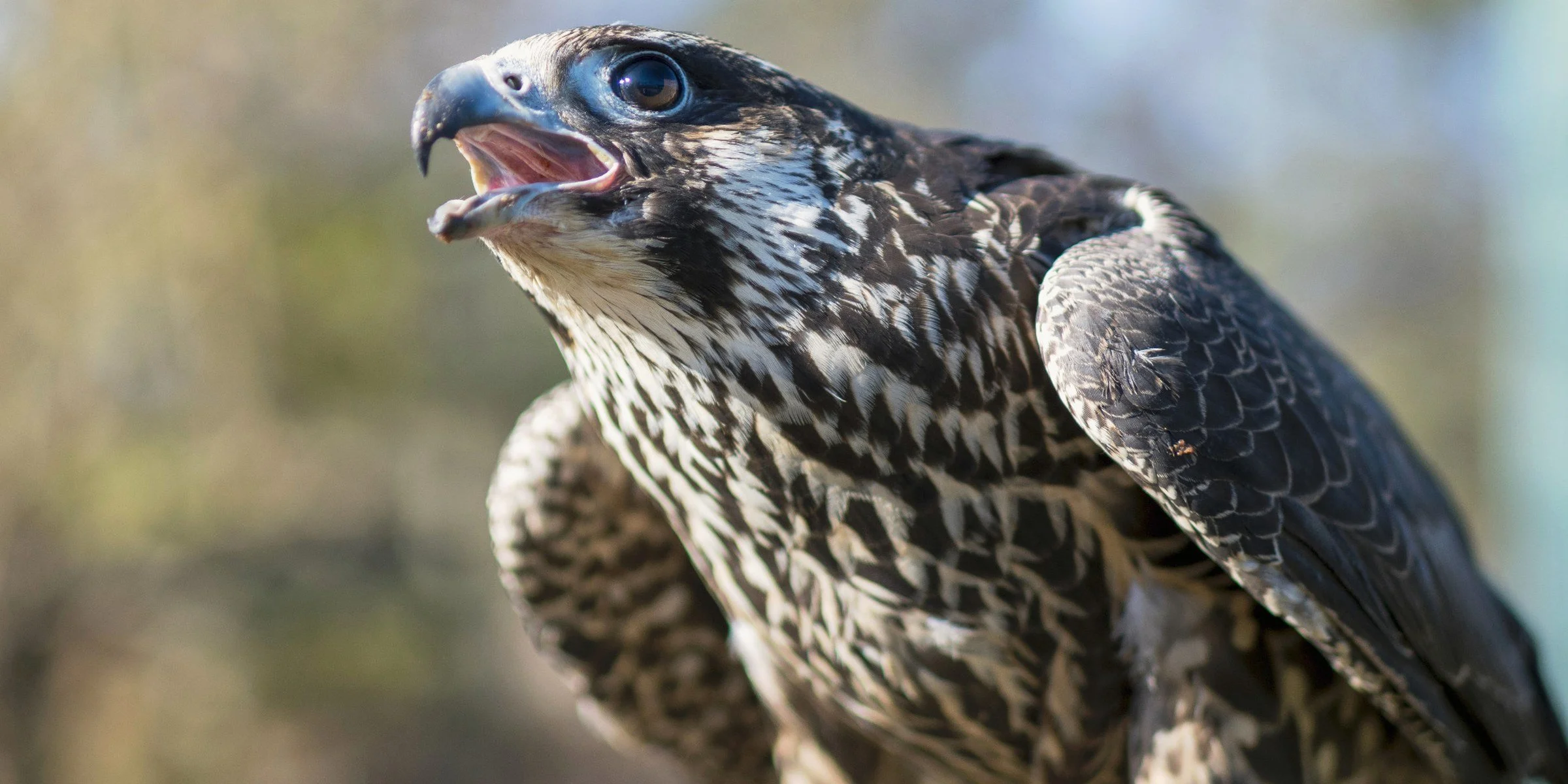
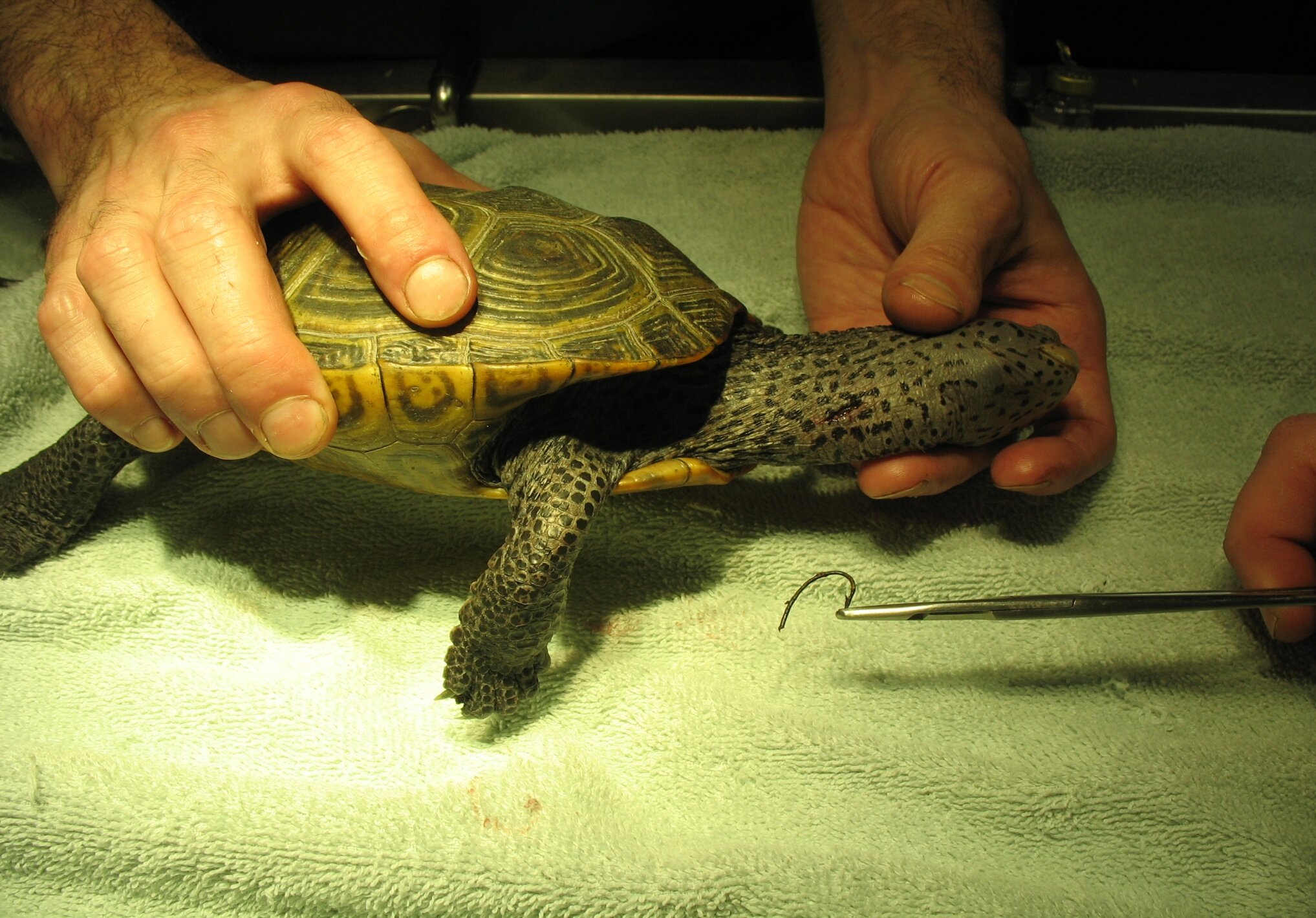
WE DO treat all species of injured or orphaned wildlife.
WE DO NOT treat pets or remove/admit "unwanted" animals of any kind.
Call before you intervene.
Most often the animal should be left alone.
You are responsible for transporting the animal if in requires care. We will advise you about animal transport safety.
After-hours guidance: use our wildlife help tool
95,000+ animals treated
18,000+ hotline calls annually
Serving Philadelphia + Montgomery + Chester + Delaware counties
If you see a wild animal in distress, call us before you take any action. This has always been our policy - but is especially important in this context (for the health of all wildlife and humans involved).
Fawns only get hydration through mom. Making it walk around when it should be stationary could easily dehydrate it. That means, don’t disturb it. Checking to “see if it’s ok” may very well be counter productive.
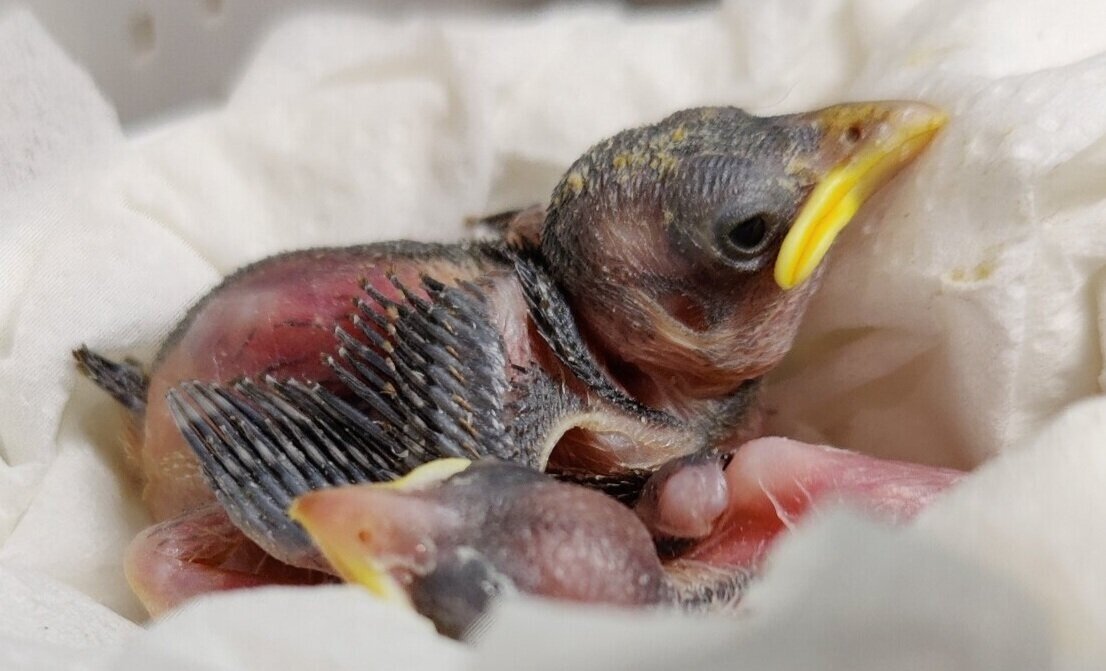
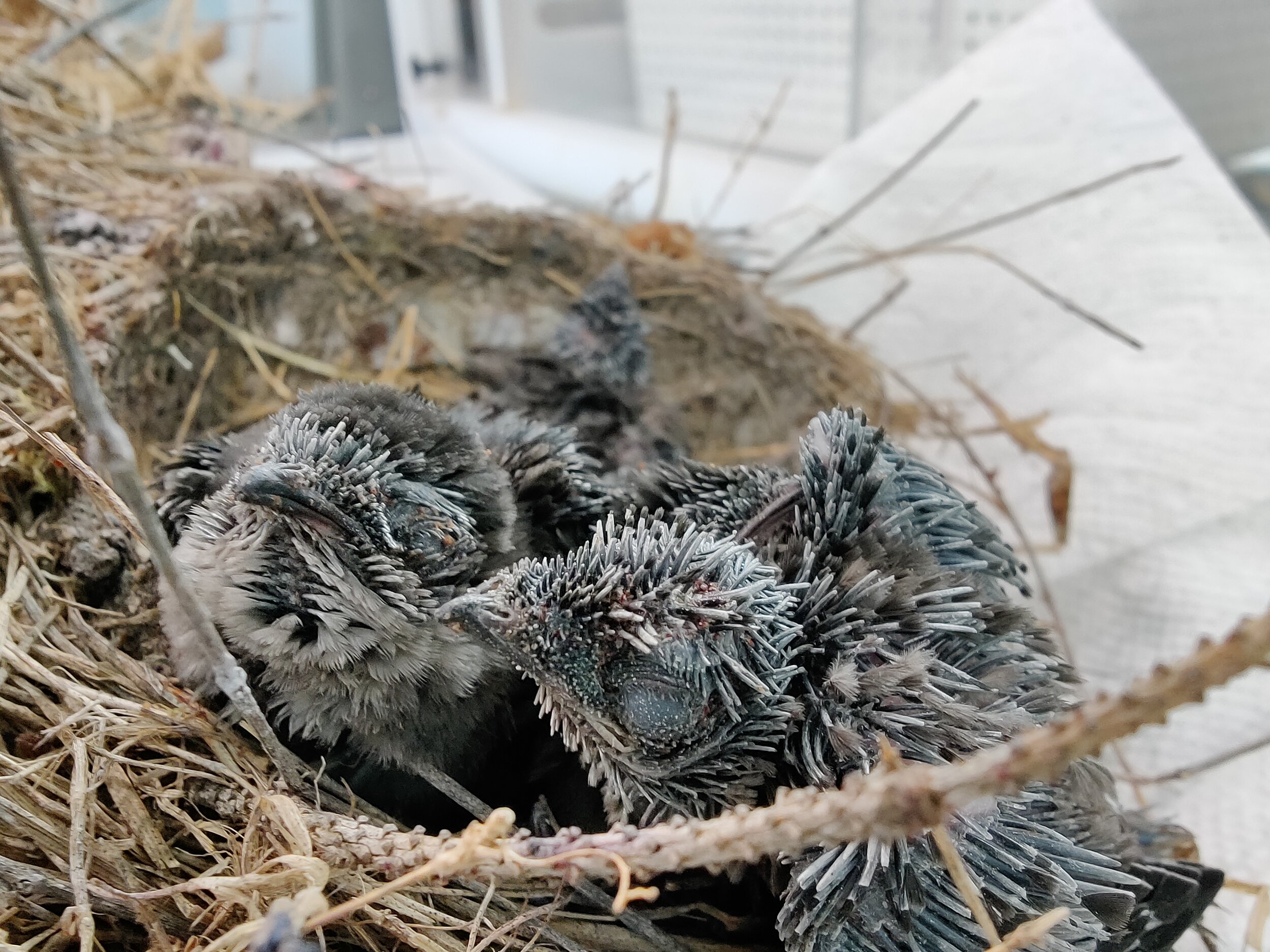
If you are worried about a bird nest, know that you won’t necessarily see a feeding. In fact, if you watch, your presence may keep the parents away, defeating the purpose.
Baby animals can be adorable. This may lead you to consider keeping the animals (either indefinitely or temporarily) in order to have the experience of nurturing a baby wild animal.
If you suspect you have observed a fox suffering from mange, please call us to discuss the issue. These situations involve a complex decision tree…
When you find a baby raccoon, give us a call. We will assist you in evaluating the situation to determine whether the animal needs help, and if so, what type of help would be best. NEVER FEED OR HANDLE THE RACCOON. CALL US BEFORE YOU TAKE ANY ACTION.
If you find a baby fawn, leave it be. Never move it or feed it milk. If you have a concern about its well-being, call us first (267) 416-9453.
It’s baby rabbit season! Unless an injury is clearly visible, LEAVE IT BE. Mom WILL be back.
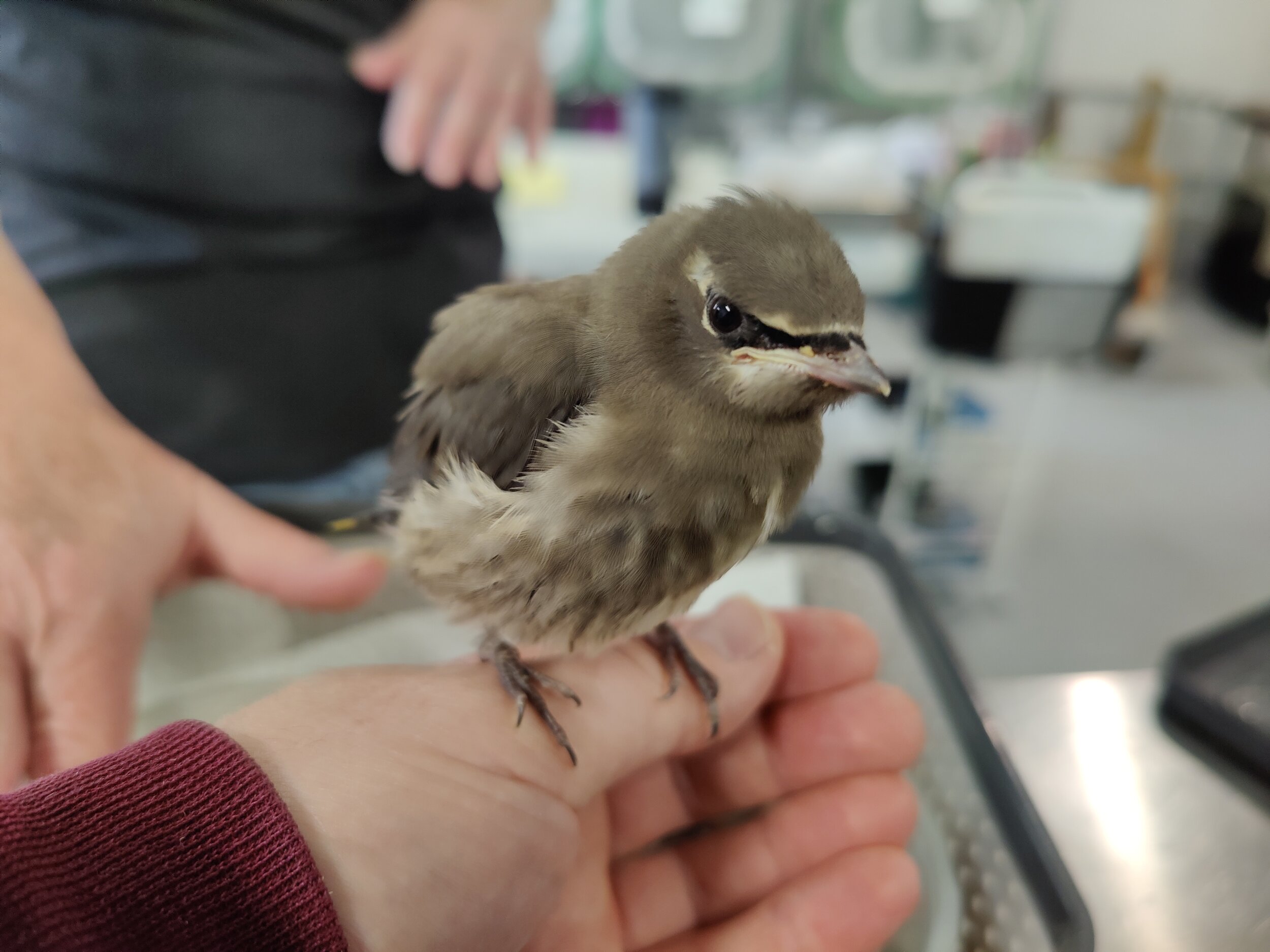
This is the time baby birds are at highest risk of "KIDNAPPING" by humans who assume the bird is orphaned. If the bird is not obviously injured, leave it alone.