What to do if you find baby bunnies (Eastern Cottontail)

Yes, they have arrived.

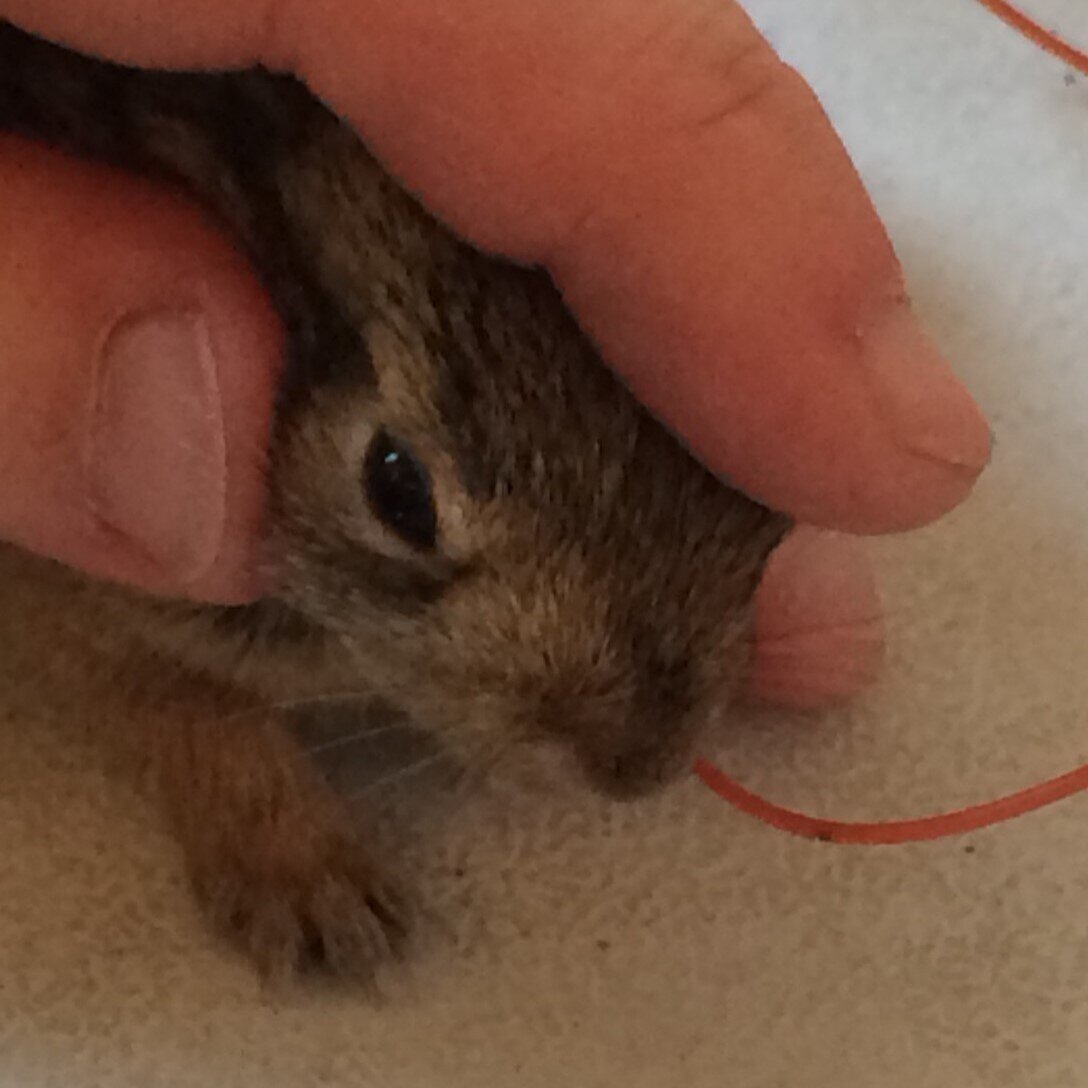
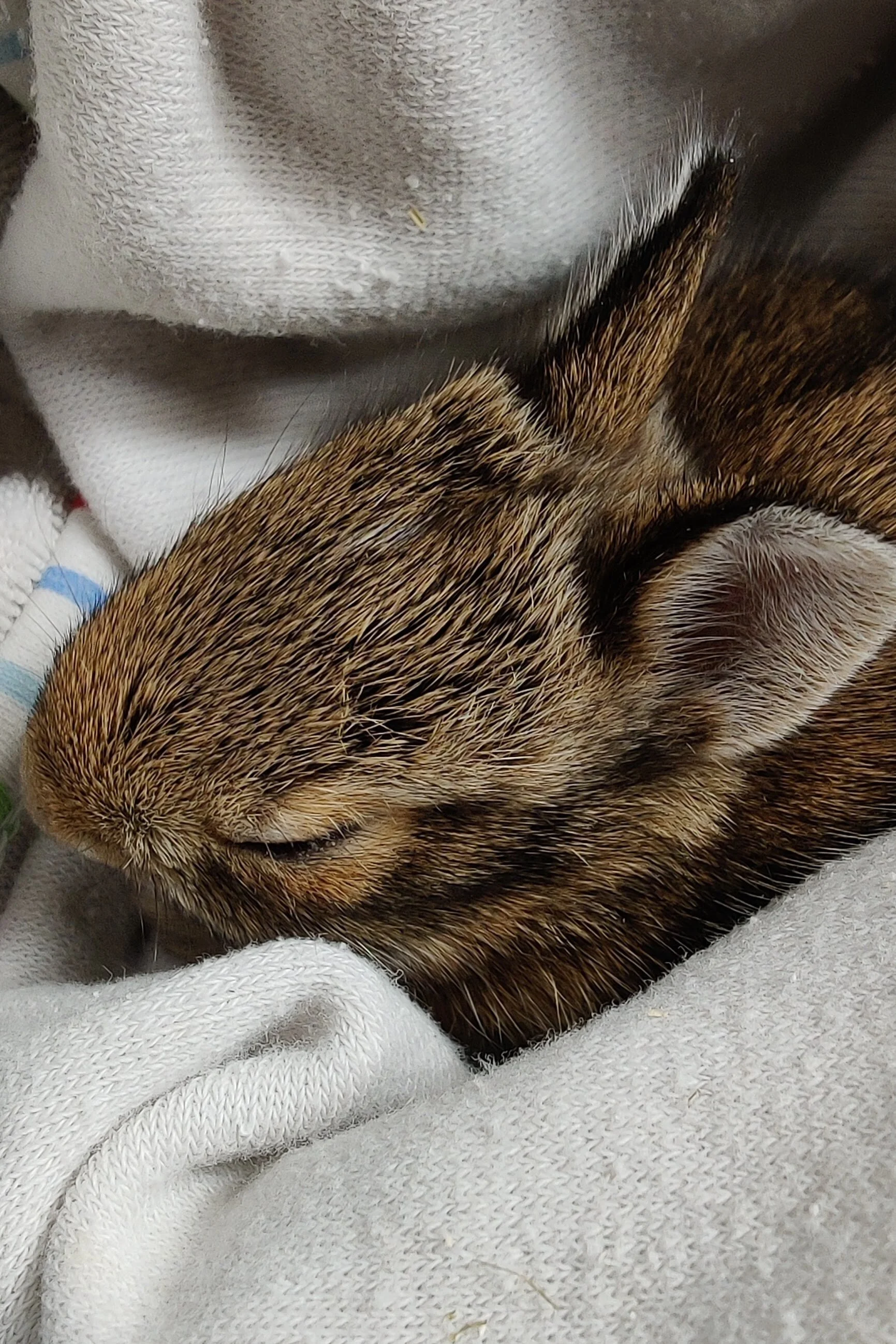
Unless an injury is clearly visible, if you find a nest of bunnies, leave it alone. Mom WILL be back.

After she gives birth, the mother covers the babies in dried grass and lots of her own grey brown fur. The “nest” looks like a simple, shallow depression on the ground. She quietly returns at dawn and dusk to nurse. She leaves them alone most of the time because, like mother deer, the mother rabbit’s size and odor attract predators.

After 3-5 weeks, the baby rabbits leave the nest and start to explore. When they are about the size of an adult fist, or 2/3 the length of a dollar bill, they are old enough to be independent of their mother.

DO NOT FEED BABY BUNNIES. They require a highly specialized diet, giving them anything else will harm them. Feeding bunnies is complex; food can easily enter their lungs, killing them.
bunny+tube.jpg
Eastern Cottontail.jpg

What to do if you find injured waterfowl

These new intakes are grabbing a sip of water while we prepare their habitat. We will care for them until they are fully flighted, self-sufficient Canada Geese.

In case you find baby waterfowl (geese or ducks), follow these instructions to give them a hand:


If you find a young baby gosling or duckling, the first thing to do is check if he is injured. If you see anything abnormal, call us (267) 416-9453. But if the baby duck or goose looks perfectly healthy, the best thing to do is place him in a safe container, like a cardboard box (with paper towel or rag on the bottom so he doesn’t slip around).

Look around for his family. All of his siblings will be the same size - that’s the best clue you have found the right family. Place the baby on the ground close to the family, and watch carefully. If he runs to the parents, and the parents to him, all should be well. Continue to watch to ensure the reunion is successful. If the parents peck the baby or try to avoid him, scoop him back up, and call us or bring him in right away.

processed_IMG_20210420_152721.jpg
processed_IMG_20210420_152715.jpg

Thank You

We want to say thank you to the Zeta Phi Beta sorority, Philadelphia graduate chapter, for the amazingly generous supply drive they did for us. On a cold, rainy February day, a dozen sisters delivered us a truly impressive amount of supplies - medical supplies, cleaning supplies, dog and cat food, even a new refrigerator. Thank you to President Dana Moore and Wildlife Project Coordinator Colleen Wright - Green, and all the sisters for this great work.

Downloads.jpg
user.jpg

Fox Release

IMG_20201204_135322.jpg

After a month rehabbing in our care, this newly healed and healthy fox was just released to the backyard from whence it came in Roxborough. The very compassionate property owners trapped it and brought it to us for care, and our wonderful volunteer Michael Eibel took it back to its home turf, where it remembered its old den and darted right back to it. Since these animals live amongst us now (or rather we live amongst them), we must learn to coexist with them.

Snowy Owl

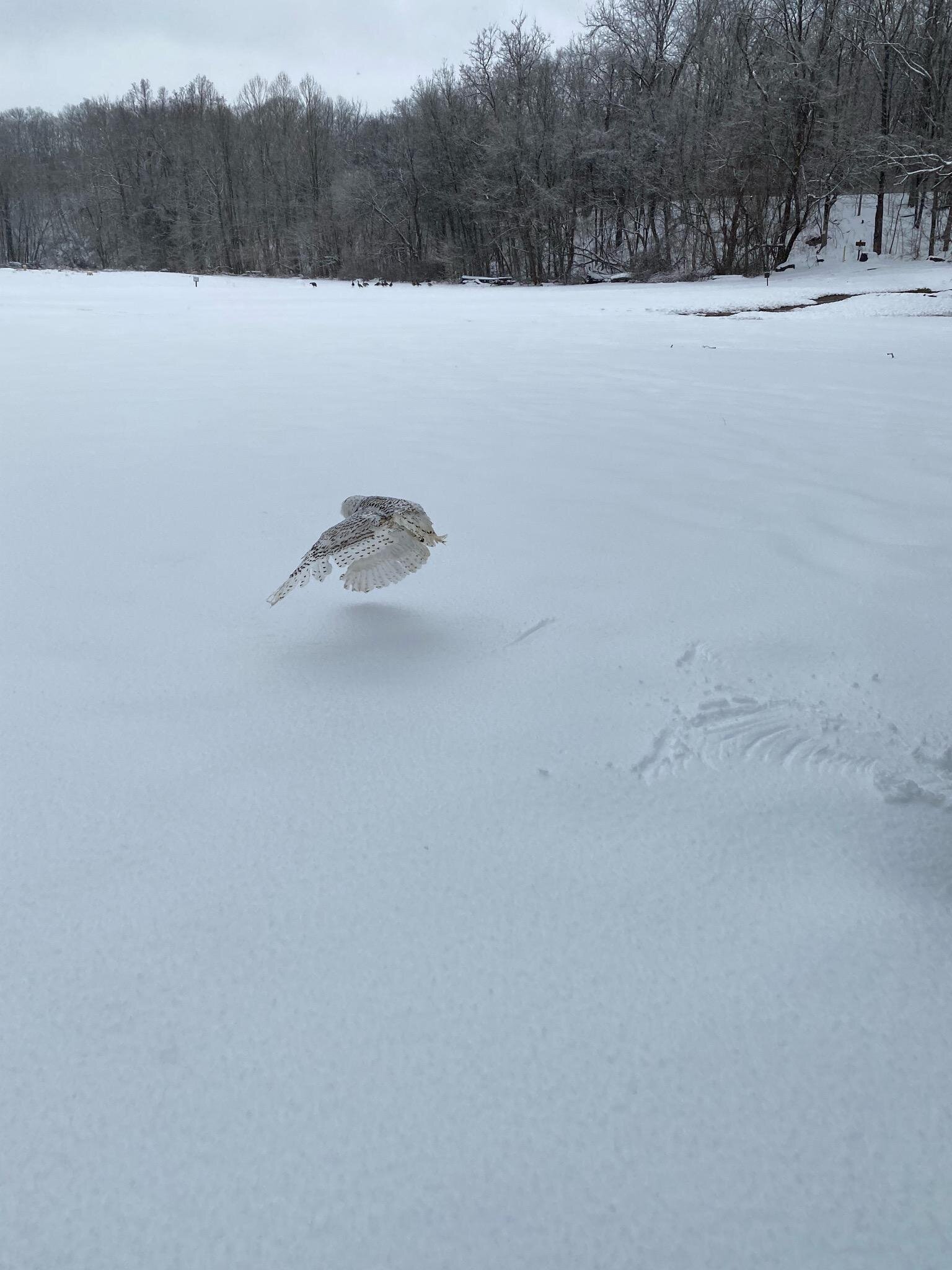
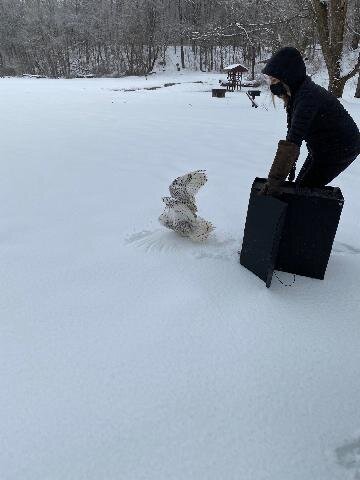
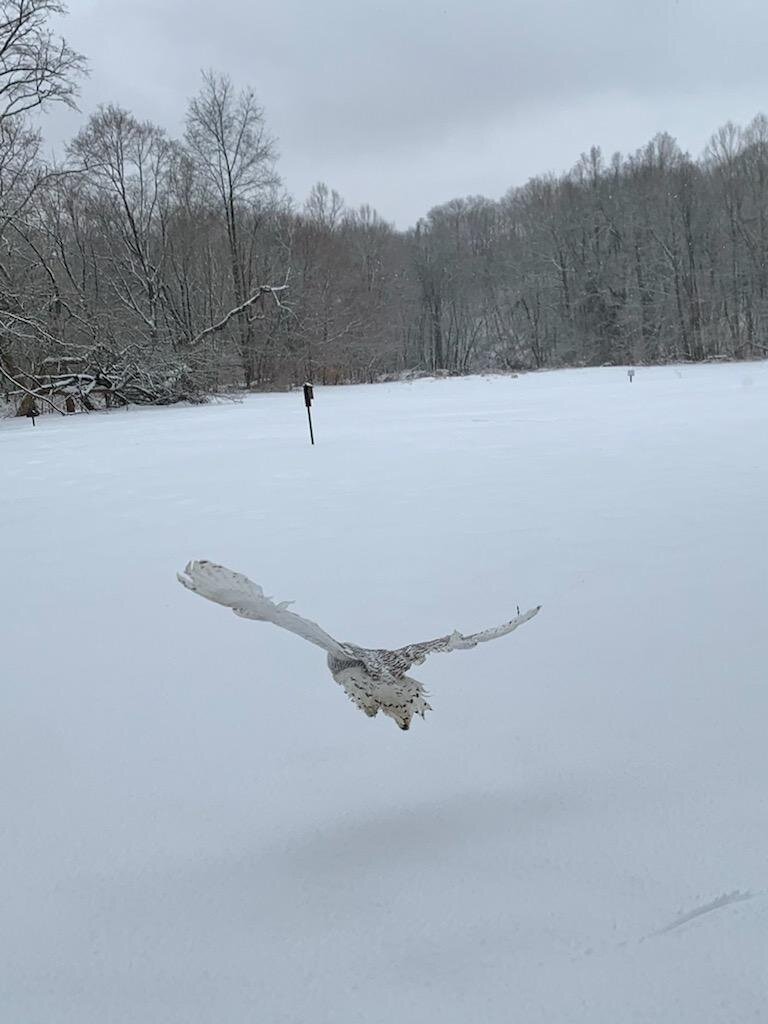
This snowy owl was injured on barbed wire at the State Prison, and was found bleeding with a broken wing. The prison was very nice and accommodating in letting our team in to rescue him, and the awesome people at Radnor Veterinary Hospital are miracle workers, placing a pin in the fractured wing bone so that it could heal properly for the bird to fly again...especially since this bird will need to make his way back to the Arctic Circle by next spring! We'll make sure he's fat and ready in time. Dig it: snowy owls, usually the juveniles, are occasional visitors to PA in the winter, travelling from the far North.

IMG_20201215_114343__01.jpg
IMG_20201215_114304__01.jpg

Common Loon

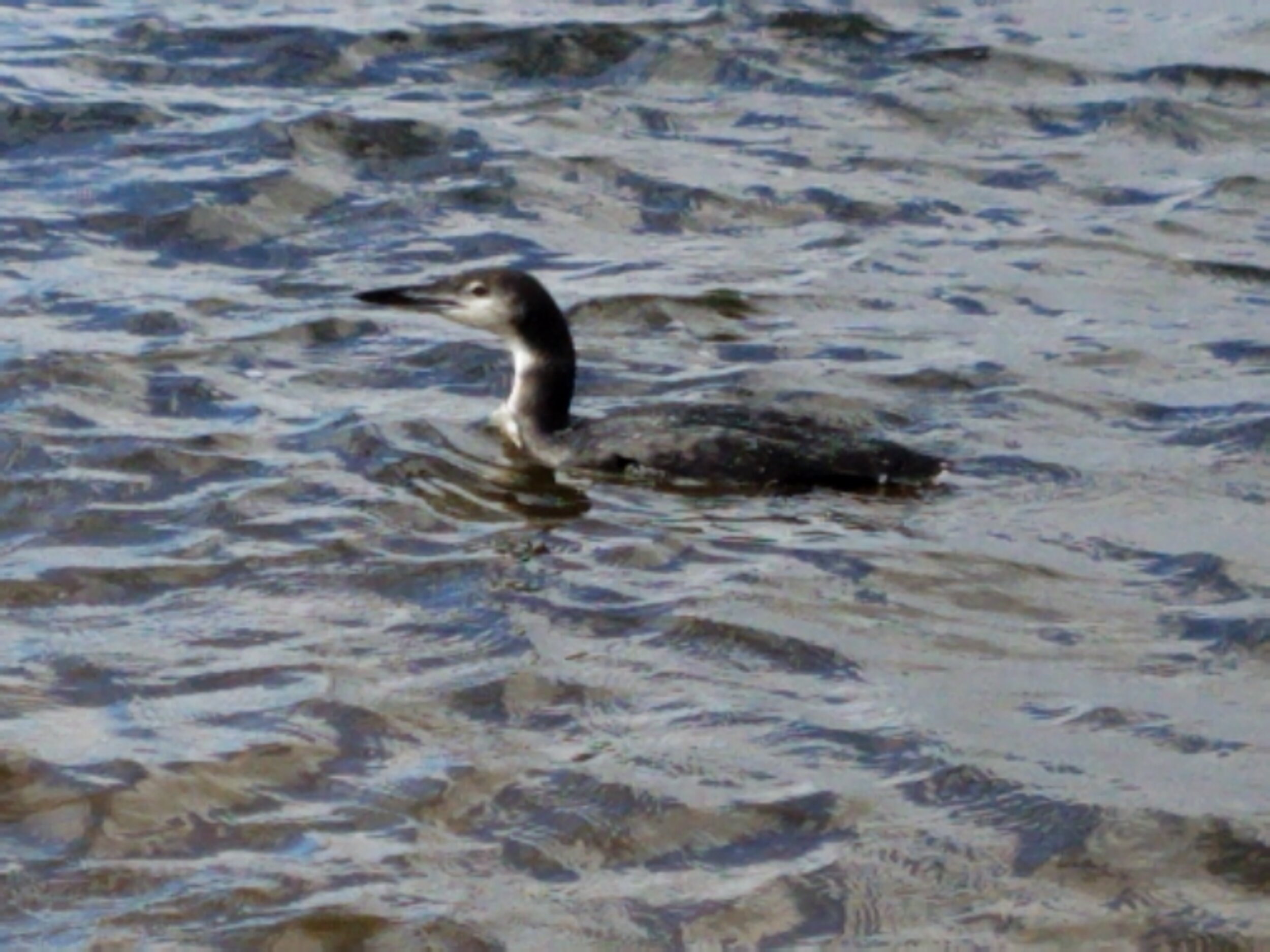
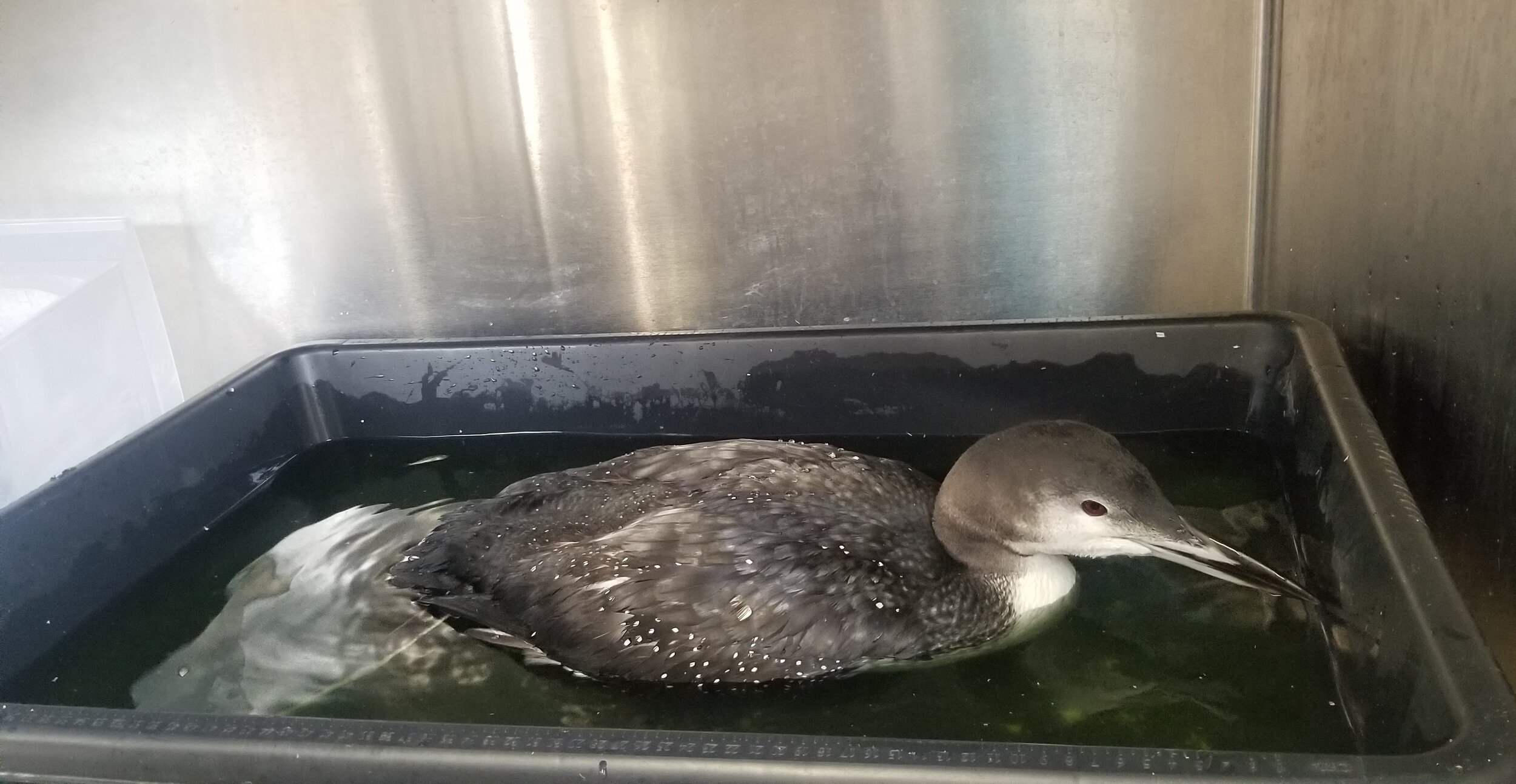
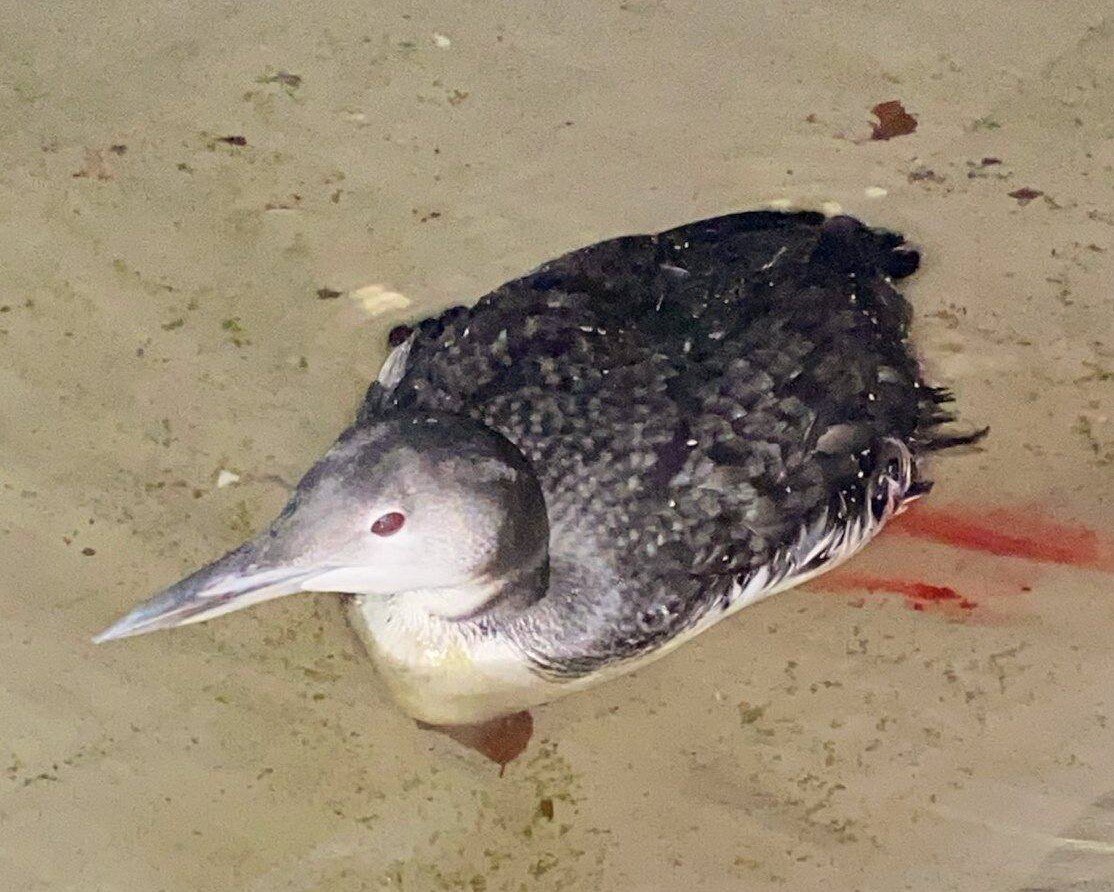
This common loon in winter plumage was found grounded and bleeding. After a rescue effort and a healing stay at our hospital, he was released to a wonderful lake by volunteer Jake Margerum, where he can get his bearings first and then complete his migration. Common loons are highly aquatic and can fly, swim, and dive like champs, but they can't walk on land (they just awkwardly lurch forward, kind of like seals), and they need water to take off into the air. Details like this are critical to rehab, because each species is very different and has very different needs.